おはようございます。こんばんは。こんにちは。
Good morning. Good evening. Good afternoon.
✎ three standard greetings stacked
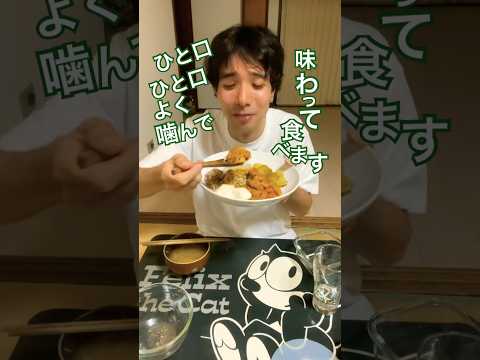
今、朝ご飯、朝昼ご飯紹介だけで食べずに終わってしまったんで、最近は喋りながら朝ご飯。
Just now, I ended up introducing my breakfast — my brunch — without eating it, so lately I've been having breakfast while talking.
✎ 〜ずに='without doing'; 〜てしまった='ended up'; んで=ので casual 'so'; ながら='while'
皆さんはーー札内幸太です。いつもありがとうございます。
Everyone — this is Kota Fudauchi. Thank you as always.
✎ です identifying self; いつも='always'
あの、皆さんは朝ご飯どんな感じで召し上がれてますかね?
Um, how are you all eating your breakfast, I wonder?
✎ 召し上がれてます=honorific 'eat'; かね softens question
なんかこうやって喋りながら朝ご飯召し上がれてる方いらっしゃいますか?
Is there anyone eating breakfast while talking like this?
✎ なんか='like/somehow'; こうやって='like this'; いらっしゃいます=honorific 'exist'
札内はこの皆さんに喋りかけながら、僕の実家ではみんな起きる時間がバラバラだったんで、
While talking to all of you — at my parents' house everyone woke up at different times, so...
✎ 喋りかけながら='while talking to'; バラバラ='scattered/varied'; んで=ので casual
朝ご飯って同時に食べたことないですね。
We've actually never eaten breakfast together at the same time.
✎ 〜って topic marker (casual は); 〜たことない = have never done
本当に本当にない。1回もない多分。
Really, really never. Probably not even once.
✎ repetition for emphasis; 1回も + ない = not even once
だからテレビとか映画とかでなんかお父さん新聞読みながらお母さん準備して、
So like on TV or in movies, the dad reads the newspaper while the mom prepares things,
✎ 〜とか〜とか listing examples; 読みながら = while reading (simultaneous action)
「はい食べましょう」で「行ってらっしゃい」みたいなあの食卓を、
a 'Okay, let's eat' and 'Have a good day' kind of dining table—
✎ 行ってらっしゃい = set phrase to someone leaving; みたいな = like / that kind of
ま、家族弟、お姉ちゃんとか4人で囲んでるあの感じって、なんかドラマの中の世界。
that feeling of, well, the family—younger brother, older sister and all, four of them gathered around it—is somehow like a world inside a drama.
✎ 囲んでる = colloquial 囲んでいる; 〜って as topic; ドラマの中の世界 = world inside a drama
皆さんはどんな感じで朝ご飯召し上がれてましたか?
How did you all used to eat your breakfast?
✎ 召し上がる = honorific 'eat'; 召し上がれてました potential+past polite; どんな感じで = in what way
それとも「ます」か?なんか最近に感じるのは、日々の。。。日々って何?
Or is it "masu"? Something I've been feeling lately is about daily... what does "daily" even mean?
✎ それとも = 'or else'; なんか softens; 日々って何 uses って as topic marker / quoting
日々のルーティーンの中で絶対僕たちがやることってすごくチャンスだなと思っていて、
I think the things we absolutely do within our daily routine are a huge opportunity,
✎ 絶対 = 'definitely'; やることって uses って to topicalize a noun clause; だなと思っていて quotes a thought
なるほど。もし家族がいらっしゃる方とかは、まあ、色々あるからどれが正解っていうことでもないんですけど、
I see. For those who have family and such, well, there's all sorts of things, so it's not that any one answer is correct,
✎ いらっしゃる = honorific 'to have/be'; 〜方 = 'person' (kata); どれが正解 = 'which is correct'
ある意味時間を共有するチャンスでもありますよね。
In a sense, it's also a chance to share time, right?
✎ ある意味 = 'in a sense'; でも here = 'also'; よね seeks agreement
あとはやっぱり僕は今、自分の体とか自分の時間、自分自身を大事にするっていうことって、
Also, for me right now, the thing of cherishing my own body, my own time, my very self—
✎ あとは = 'and also'; 自分自身 = 'one's very self'; 大事にする = 'to value/cherish'
すごいその時間を過ごすことが有意義に、なんかま、あるなと思って、
I feel that spending that time is really meaningful, like, well, it's there,
✎ 有意義に = 'meaningfully'; 過ごすこと = nominalized 'spending'; trailing なと思って quotes a vague thought
この...朝ご飯をちゃんと食べるっていうことで自分自身の時間をすごい有意義に過ごしてるんですけど、
By eating breakfast properly, I spend my own time really meaningfully, you know,
✎ 〜っていうことで = 'by way of / through the act of'; ~んです explanatory
この普段やってるルーティーンみたいなものをなんか楽しむっていうことが本当に毎日を豊かにするなと思っております。
I really think that enjoying these everyday routine-like things truly enriches each day.
✎ みたいなもの = 'things like'; 〜なと思っております humble 'I think'
おしゃべりしながら朝ご飯でした。
It was breakfast while chatting.
✎ 〜ながら = 'while doing'; でした past of です